

Shilajit is a sticky, tar-like resin that seeps from rocks high in mountains like the Himalayas and Karakoram. It forms over centuries from decomposed plant matter and is rich in fulvic acid and trace minerals.
That short answer covers the basics. But if you are thinking about buying shilajit, or you have seen it sold as “salajeet” in Pakistan, you probably want more than a one-line definition. This guide explains what shilajit actually is, what sits inside it, what the research says it does, and the safety part that most sellers skip.
Where shilajit comes from
Shilajit is not made in a factory. It is a natural exudate. Over hundreds and even thousands of years, plant and microbial matter gets trapped between rocks at high altitude. Slow decomposition and pressure turn it into a dense, blackish-brown resin that oozes out of cracks when the weather warms up.
You will find it across several mountain ranges. Research describes shilajit deposits in the Himalayas, the Karakoram, the Altai, and the Caucasus, usually at altitudes between roughly 1,000 and 5,000 metres. In Pakistan, the purest material comes from the high regions of chitral,Gilgit-Baltistan, including the areas around Skardu and Hunza.
This origin matters more than people think. Because shilajit pulls its mineral content straight from the surrounding rock, the source location shapes both its quality and its risks. Two batches from two different valleys are not the same product.
The substance has a long history. In Ayurveda it is classed as a rasayana, a rejuvenating agent, and in Unani medicine it is treated as a strengthening tonic. Old texts call it “mineral pitch.” None of that proves the modern health claims, but it does explain why the substance has been studied at all.
Is shilajit a plant, a herb, or a mineral?
People search this a lot, and the honest answer is “none of those exactly.” Shilajit is best described as a phyto-mineral, or a herbo-mineral. It starts as plant and microbial material, then changes over a very long time inside rock, picking up minerals along the way.
So it is not a herb you can grow, and it is not a single mined mineral either. It sits in its own category: organic matter and minerals fused together by time and pressure. Calling it “mineral pitch” captures that mix fairly well.
What shilajit is actually made of
This is the question that separates a useful answer from marketing fluff. So let us be specific about what is inside.
Shilajit is made up mostly of humic substances. Humic acids and fulvic acids together can account for a large share of the resin by weight, with research often citing figures in the 60% to 80% range, and some sources going higher. Around these sit a smaller fraction of other organic compounds and minerals.
Fulvic acid is the part that matters most. Researchers describe it as the main biologically active compound in shilajit. It behaves like a carrier. It binds to minerals and helps move nutrients across cell membranes, which is why so many quality products are now standardised by their fulvic acid content.
Sitting alongside fulvic acid is a group of compounds called dibenzo-α-pyrones, often shortened to DBPs. These act as carrier molecules too, and much of shilajit’s studied activity is linked to them working together with the humic and fulvic acids.
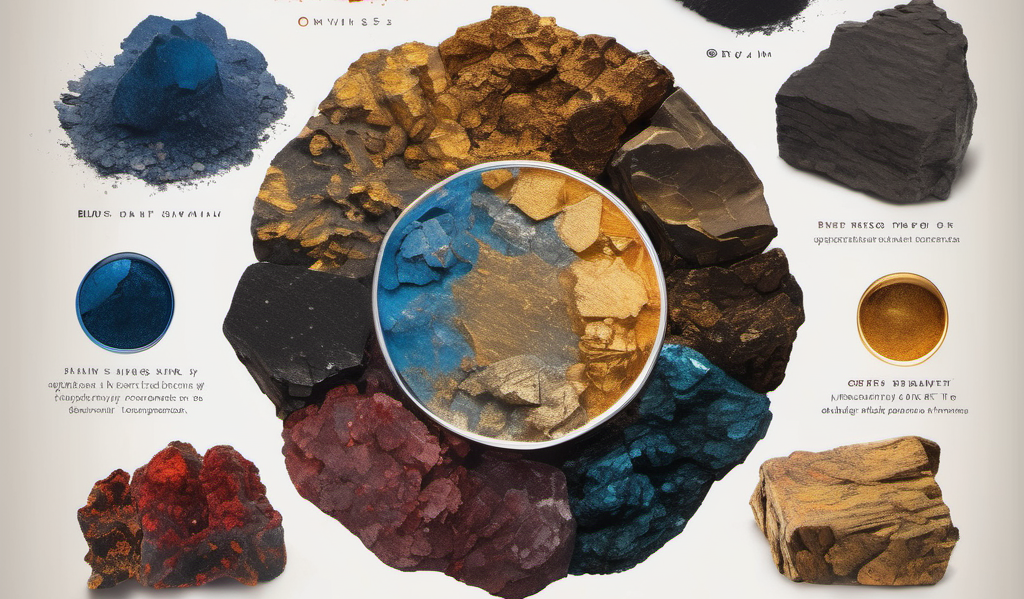
Then come the minerals. Shilajit holds trace minerals in an ionic, easy-to-absorb form. Iron, zinc, magnesium, selenium, potassium, and calcium show up regularly in lab analyses. You have probably seen the “85 minerals” claim on packaging. The real number varies by source, and the minerals are far less useful on their own than the fulvic acid that helps your body use them.
One honest caveat: composition changes from region to region. A chemical analysis of native Himalayan shilajit published in 2025 confirmed a mineral-rich profile with a slightly alkaline pH, but also noted that exact makeup differs between deposits. So no single nutrition label fits every jar.
What shilajit does in the body
Here is where you need a clear head, because the gap between hype and evidence is wide.
The strongest human research is on testosterone. A 2016 randomised, double-blind, placebo-controlled trial published in Andrologia gave healthy men aged 45 to 55 a purified shilajit extract at 250 mg twice a day for 90 days. The men who took it showed significant rises in total testosterone, free testosterone, and DHEAS, a hormone the body uses to build testosterone.
That result is real, but read it carefully. The effect was modest and physiological. It is not the same as testosterone replacement therapy, and the study looked at middle-aged men, not younger men or women. Shilajit is not a treatment for clinically low testosterone.
Energy is the next most common claim. The proposed mechanism is reasonable: fulvic acid appears to support mitochondrial function, and mitochondria are the parts of your cells that produce energy. A 2019 study in the Journal of the International Society of Sports Nutrition found that purified shilajit helped reduce fatigue-related drops in muscle strength. The energy effect, when it shows up, tends to feel gradual rather than sharp. It is not a stimulant like caffeine.
There is early work on other fronts too. Fulvic acid has shown an ability to block tau protein aggregation in lab settings, which is why researchers have raised it as a possible avenue for cognitive health. A 2022 trial reported support for bone mineral density in postmenopausal women with osteopenia. Small studies have also looked at sperm quality and skin.
Two benefits often matter to specific groups. Because shilajit can improve how the body absorbs iron, it draws interest from people managing low iron, though the same property makes it risky for anyone with iron overload. On the skin side, a 2019 study on middle-aged women found that shilajit supplementation switched on genes tied to the skin’s support structure, which is the basis for the anti-aging claims you see. Both findings are early, and neither replaces a proper medical workup.
The Cleveland Clinic’s own summary is a good reality check here. It points out that many shilajit studies are small, older, or preliminary, and that more research is needed before strong claims hold up. Treat the benefits as promising, not proven.
How people take shilajit
Shilajit comes in three common forms.
Resin is the classic form and the least processed. It is the sticky paste people scoop in pea-sized amounts and dissolve in warm milk or water. Many users consider it the most potent option.
Capsules offer convenience and a fixed dose, which removes the mess and the guesswork. Powder sits somewhere between the two. The form you choose mostly comes down to lifestyle, not magic, though resin is usually the purest expression of the raw material.
Traditional use pairs shilajit with milk, partly to mask its strong, bitter, earthy taste. That intense flavour is normal for the genuine article.
The part most buyers miss: purity and safety
This is the section that should change how you shop, so do not skim it.
Because shilajit forms inside rock and concentrates whatever is around it, raw resin can carry heavy metals like lead, arsenic, mercury, and cadmium. It can also hold mycotoxins and fungal contaminants. Published research on shilajit flags exactly this: unprocessed or poorly purified material can cause harm.
There is a dangerous myth that “raw” shilajit straight from the mountain is more natural and therefore better. It is not. Unprocessed shilajit is a health risk, not a wellness upgrade. Proper purification removes the dirt, rock, and microbes you can see, but dissolved heavy metals need modern testing to catch.
Independent testing backs this up. ConsumerLab’s 2024 testing found real variation in heavy-metal content across popular shilajit products, and noted that a “purified” label alone is not enough. Some commercial products have even tested higher for toxic metals than raw resin.
There is a twist worth understanding. Fulvic acid is a natural chelator, meaning it binds metals and ushers them into your cells. In clean shilajit, that helps with mineral absorption. In contaminated shilajit, the same mechanism can deliver toxic metals into your body more efficiently. That is why the source and the testing matter so much.
So what should you actually look for? Buy from a seller that names a specific origin and provides current, batch-specific lab results. A heavy-metal screen against WHO or FDA limits is the baseline. A reported fulvic acid percentage, ideally measured by HPLC and sitting in the 60% to 80% range, signals both potency and proper testing. Skip any product that gives you neither.
Who should be careful
Shilajit is not for everyone, even when it is pure.
Avoid it during pregnancy and breastfeeding, because there is no reliable safety data for those stages. People with iron-overload conditions, such as hemochromatosis, should also avoid it, since shilajit can increase iron absorption. This matters in South Asia, where the condition is sometimes undiagnosed.
Take care if you have gout, kidney stones, or diabetes, and treat shilajit as a “discuss with my doctor” item rather than a self-prescribed one. It may lower blood sugar, which can clash with diabetes medication. It can also interfere with drugs like lithium and levothyroxine. If you take regular medication, clear it with your prescriber first.
What to realistically expect
Let me set expectations the way a careful consultant would.
Shilajit is a supplement, not a cure. For a healthy adult using a purified, lab-tested product at a sensible dose, short-term use appears reasonably safe. The benefits that do show up are usually modest and build over weeks, not days. Clinical studies tend to run for 8 to 12 weeks, so judge results over that kind of window, not after a single dose.
The most common mistakes are easy to name. Buying the cheapest resin you can find. Trusting a “100% pure” label with no testing behind it. Expecting overnight, dramatic changes. And skipping the medical check when you take other medication. Avoid those four, and you avoid most of the trouble people run into with shilajit.
Frequently asked questions
What is shilajit in simple terms?
Shilajit is a natural mineral resin that seeps from high mountain rocks. It is rich in fulvic acid and trace minerals and is used as a supplement for energy, stamina, and overall wellness.
Is shilajit and salajeet the same thing?
Yes. Salajeet is simply the Urdu name for shilajit. You may also see it spelled silajeet or shilajeet, and called mineral pitch in English. All of these refer to the same substance.
What is the main active ingredient in shilajit?
Fulvic acid is the main active compound. It carries minerals into the body’s cells and is linked to most of shilajit’s studied effects. Many quality products are standardised by their fulvic acid level.
Is raw shilajit safe to eat?
No. Raw, unprocessed shilajit can contain heavy metals, mycotoxins, and fungi. Only purified, lab-tested shilajit should be consumed, and even then a third-party heavy-metal report is important.
Where does the best shilajit come from?
The purest shilajit comes from high-altitude mountain rock, mainly the Himalayas and Karakoram. In Pakistan, Gilgit-Baltistan, including Skardu, is the main source region.